- How people train
- A drone pilot course plus RCAA approvals as required
- Licence
- Authority approval as required
- Aviation medical
- Depends on operation
- Work pattern
- Field work and operations centres
- Useful subjects
- Maths, physics, ICT, geography
- Suits people who
- Love technology, flying and being outdoors
Entry requirements, training routes and costs differ between countries, training organisations and employers, and they change over time. This guide describes the general picture only. Before you decide or pay for anything, confirm the current requirements with the RCAA and the organisation you plan to train or work with.
REQUIREMENTSEntry requirements at a glance
| Requirement | Typical minimum |
|---|---|
| Minimum age | Set by the regulations and the operator (often 18+ for commercial work) |
| Education | Varies by employer. Many entry-level roles accept a secondary school certificate |
| English | Good working English |
| Medical | Depends on the type of operation |
| Approval | Drone registration and operator / pilot authorisation as required by the RCAA |
Typical minimums based on ICAO standards and common employer practice. Always confirm current rules with the RCAA and the employer.
GET AHEADHow to stand out
Meeting the minimum requirements gets you considered. These extras make you a stronger candidate: they show commitment and give you a head start in training. Many employers receive far more applications than they have places.
Before paying for any course or certificate, check that it is recognised by the RCAA or by the employers you are targeting.
THE JOBWhat does a drone pilot do?
A drone pilot flies an aircraft without being on board, from a control station on the ground.
Drone (RPAS) pilots plan each mission, check the weather and airspace, prepare and inspect the aircraft, fly it (or supervise an automated flight), watch for other aircraft and hazards, and look after the data or cargo afterwards. Work ranges from medical deliveries and aerial mapping to crop monitoring, construction surveys, infrastructure inspections and filming.
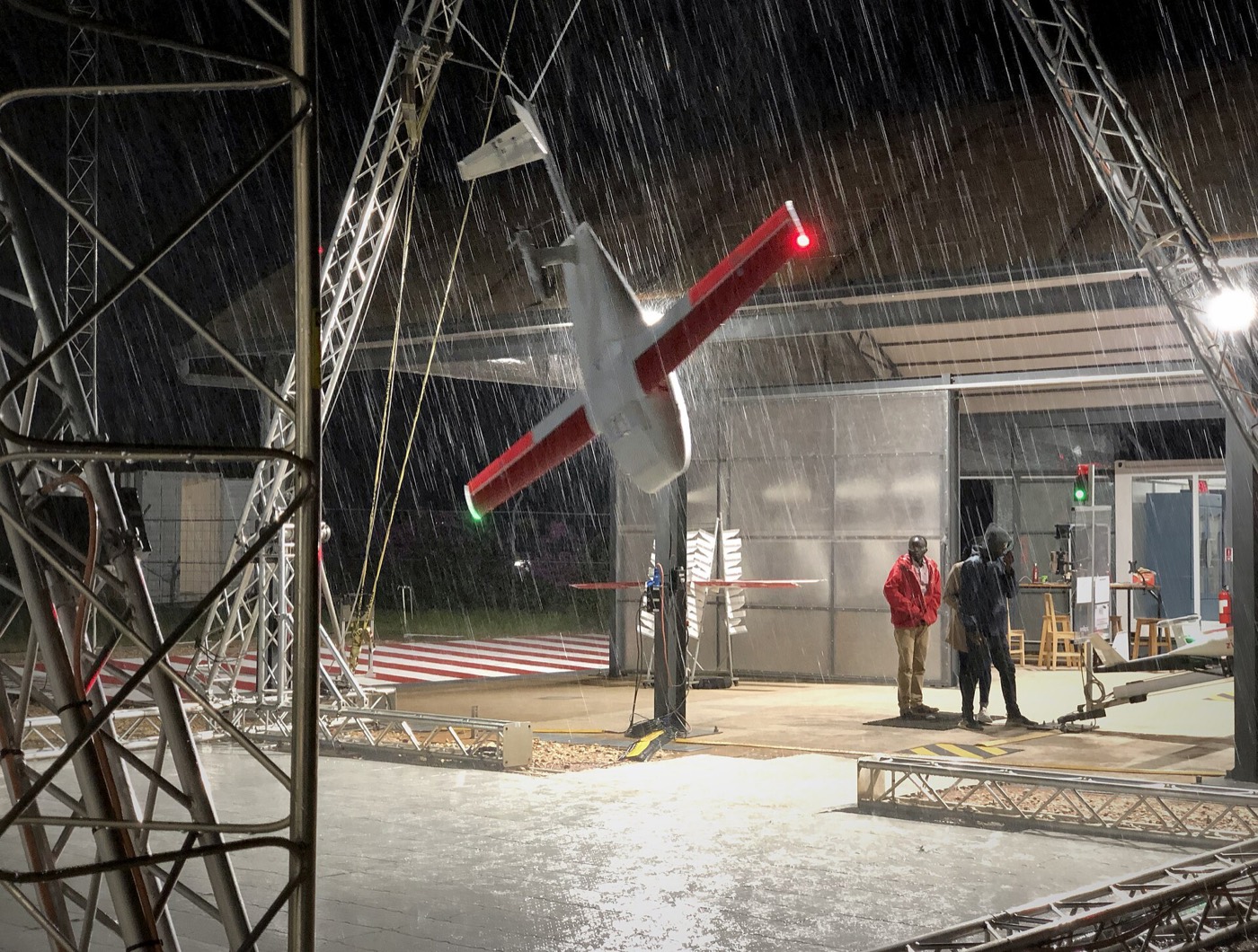
Since 2016, drones have delivered blood and medical supplies to hospitals across Rwanda, one of the first national drone delivery services in the world. Drone flying in Rwanda is regulated by the RCAA: depending on the operation, drones may need registration and operators may need authorisation, and there are strict rules near airports and over people. Always check the current rules before flying.
WHAT IT TAKESSkills you need
HOW TO GET THEREHow to start
- Learn the rulesRead the RCAA's drone requirements and learn basic air law and airspace.
- TrainA drone pilot course covering regulations, meteorology, navigation, flight practice and emergencies.
- Get authorisedRegister and obtain the approvals your type of operation needs.
- SpecialiseMapping, agriculture, inspection, delivery or filming.
EMPLOYERSWhere you could work
- Drone delivery and logistics companies.
- Survey, mapping and construction firms.
- Agriculture and environmental projects.
- Media and filming, or your own drone business.
A TYPICAL DAYA day of mapping work
- PlanCheck the weather, airspace, permissions and the site map.
- Site briefingWalk the area, agree a safe take-off and landing zone, brief the team.
- FlyRun the survey flights, watch the battery, wind and any other aircraft.
- ProcessTurn hundreds of images into a map or 3D model.
- Report and maintainDeliver results, log flights, check the aircraft.
GROWTHWhere it can lead
- Drone pilotFlying missions.
- Senior / chief pilotPlanning operations and training others.
- Operations or data specialistMapping, GIS, inspection analysis.
- Your own businessMany drone pilots become entrepreneurs.
QUESTIONSCommon questions
Can I just buy a drone and start a business?
Does drone experience help if I later want to fly aircraft?
SELF-CHECKIs this career for you?
Tick the statements that sound like you. If most do, this career is worth exploring further.
NEXT STEPStart studying for this career
These AeroLearn subjects cover the theory behind this job. They are free, with diagrams, worked examples and quizzes.
New to aviation? Begin with the beginner modules first.