- How people train
- Approved maintenance training plus logged practical experience
- Licence
- Aircraft maintenance engineer licence to certify work
- Aviation medical
- No aviation medical
- Work pattern
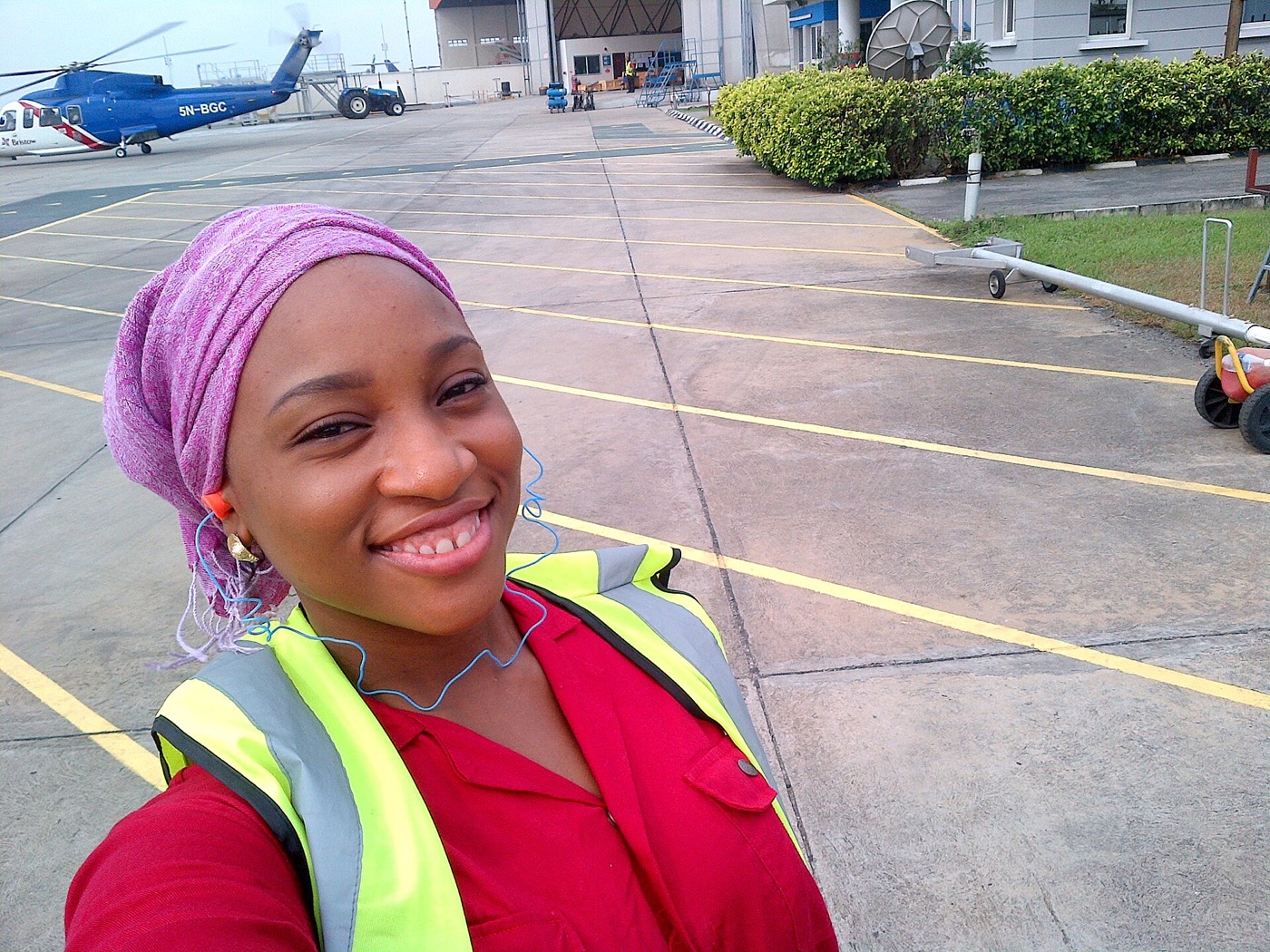
- Shifts on the apron and in the hangar
- Useful subjects
- Maths, physics, technical drawing, ICT
- Suits people who
- Love hands-on work, machines and getting every detail right
Entry requirements, training routes and costs differ between countries, training organisations and employers, and they change over time. This guide describes the general picture only. Before you decide or pay for anything, confirm the current requirements with the RCAA and the organisation you plan to train or work with.
REQUIREMENTSEntry requirements at a glance
| Requirement | Typical minimum |
|---|---|
| Minimum age | 18 for the licence (training can start at school-leaving age) |
| Education | Set by the training organisation; maths and physics are important. A university degree is not usually required for a maintenance licence |
| English | Technical English to read manuals |
| Medical | No aviation medical; good eyesight and colour vision are often checked |
| Training | Approved maintenance training course plus logged practical experience |
Typical minimums based on ICAO standards and common employer practice. Always confirm current rules with the RCAA and the employer.
GET AHEADHow to stand out
Meeting the minimum requirements gets you considered. These extras make you a stronger candidate: they show commitment and give you a head start in training. Many employers receive far more applications than they have places.
Before paying for any course or certificate, check that it is recognised by the RCAA or by the employers you are targeting.
THE JOBWhat does an aircraft engineer do?
Aircraft maintenance engineers keep aircraft airworthy, meaning safe and legal to fly.
They carry out scheduled inspections, fix faults reported by pilots, replace parts, test systems and keep detailed records of every task. Licensed engineers certify the work and release the aircraft to service by signing for it. That signature is a promise that the aircraft is safe.
| Specialisation | Works on |
|---|---|
| Mechanical (airframe and engines) | Structures, engines, landing gear, flight controls, hydraulics, fuel systems. |
| Avionics (electrical and electronic) | Instruments, radios, navigation, autopilot, electrical power, computers. |
Licence systems divide engineers into categories. In systems based on Europe's Part-66, for example, B1 covers mechanical and B2 covers avionics.
A TYPICAL SHIFTA day on the line
- Pre-flight checksWalk around the morning departures: tyres, fluids, leaks, panels, lights.
- Defect rectificationA pilot reports a faulty cabin light and a sticky valve. You diagnose, fix or defer them correctly under the minimum equipment list.
- Turnaround supportQuick checks between flights while the aircraft is cleaned and refuelled.
- PaperworkRecord every task in the technical log. If it is not written down, it did not happen.
- HandoverBrief the next shift on open items.
WHAT IT TAKESSkills you need
HOW TO GET THERETraining and licence
- Strong maths and physicsThe foundation for everything you will learn.
- Approved basic trainingA maintenance training course approved by an aviation authority, covering maths, physics, electrics, aerodynamics, materials, engines, systems, human factors and law.
- Practical experienceSupervised work on real aircraft, logged and verified.
- Licence examsPass the module exams for your category. ICAO's minimum age for the licence is 18.
- Type trainingTraining on specific aircraft types before you can certify them.
Engineering licences and approved maintenance training are overseen by the RCAA. If you train abroad, check in advance how that country's licence is recognised in Rwanda. Engineers are needed by airlines, maintenance organisations, helicopter and drone operators.
EMPLOYERSWhere engineers work
- Airlines, for line maintenance at the airport and base maintenance in hangars.
- Maintenance, repair and overhaul (MRO) companies.
- Helicopter, charter and drone operators.
- The regulator, as airworthiness inspectors with experience.
GROWTHWhere it can lead
- Technician / mechanicWorking under supervision while gaining experience.
- Licensed engineerCertifying work and releasing aircraft.
- Shift lead, planner or quality auditorLeading teams or managing maintenance programmes.
- Technical director or airworthiness inspectorRunning engineering or overseeing it for the authority.
Myth: "Engineering is only for people who studied engineering at university."
Fact: Most licensed aircraft engineers qualify through approved maintenance training and experience, not an engineering degree.
SELF-CHECKIs this career for you?
Tick the statements that sound like you. If most do, this career is worth exploring further.
NEXT STEPStart studying for this career
These AeroLearn subjects cover the theory behind this job. They are free, with diagrams, worked examples and quizzes.
New to aviation? Begin with the beginner modules first.