By the end of this module you will be able to:
- Name the main families of aviation careers
- Describe what a typical day looks like in key roles
- Outline the usual training route and licence for each career
- Recognise the skills and school subjects that employers value
- Match your own interests to suitable careers
- Understand the role of the RCAA and medical and English requirements
SECTION 01Your future in aviation could start here
You do not have to fly the aircraft to build a career in aviation. Most aviation professionals never sit in the cockpit, and many of the most in-demand skills are on the ground.
Aviation careers fall into a few broad families. Some need a licence issued by the national aviation authority; others need a degree, a diploma or training on the job. All of them share a culture of precision, safety and teamwork.
SECTION 02Flying careers
Airline pilot
Airline pilots fly passengers and cargo on scheduled and charter routes. A typical day starts with a briefing at the operations centre, followed by one or more flights, each with careful planning, checklists and coordination with air traffic control. Pilots work shifts that include early mornings, nights and weekends, and spend nights away from home.
- Medical certificatePass an aviation medical examination (a Class 1 medical for professional pilots) before investing in training.
- Private pilot licence (PPL)Learn to fly a light aircraft. Usually 45+ flying hours plus theory exams.
- Theory and instrument ratingStudy the professional theory subjects (the same ones on AeroLearn's study pages) and learn to fly using instruments alone.
- Commercial pilot licence (CPL)Reach the required flying hours and pass the skill test to fly for payment, usually with a multi-engine rating.
- Airline job and type ratingJoin an airline and train on a specific aircraft type, such as the Boeing 737 or Airbus A330, in a simulator.
- CaptainWith experience and an Airline Transport Pilot Licence (ATPL), progress from first officer to captain.
Some schools offer an integrated course, a full-time programme from zero to "frozen ATPL" in around 18–24 months. Others offer a modular route, where you complete each licence step separately, often while working. Modular can spread the cost; integrated is faster. Both lead to the same licence.
Cabin crew
Cabin crew are recruited directly by airlines, which then provide several weeks of initial training covering safety equipment, emergency procedures, evacuation, first aid, security and service. Airlines usually look for good communication skills in English (and often other languages), a calm attitude, physical fitness, swimming ability and a minimum age and height. Experienced crew can progress to senior and purser roles, or become trainers.
Other flying roles
Flight instructors teach new pilots and often build hours this way. Helicopter pilots fly tourism, medical, charter and utility missions. Drone (RPAS) pilots fly remotely piloted aircraft for delivery, mapping, agriculture and inspection, a fast-growing field in Rwanda.
SECTION 03Flight operations and air navigation careers
Flight dispatcher (flight operations officer)
Dispatchers plan each flight: route, altitude, fuel, alternate airports and aircraft performance. They brief the crew and follow the flight until it lands. The job suits people who enjoy analysing information, solving problems under time pressure and understanding how all the pieces of an operation fit together.
- Training: an approved flight operations officer / dispatcher course covering meteorology, navigation, performance, flight planning, regulations and communication, followed by practical experience.
- Licence: in many countries, including those following ICAO's licensing standards, a dispatcher licence from the national authority is required.
- Next steps: senior dispatcher, operations controller, operations manager.
Air traffic controller
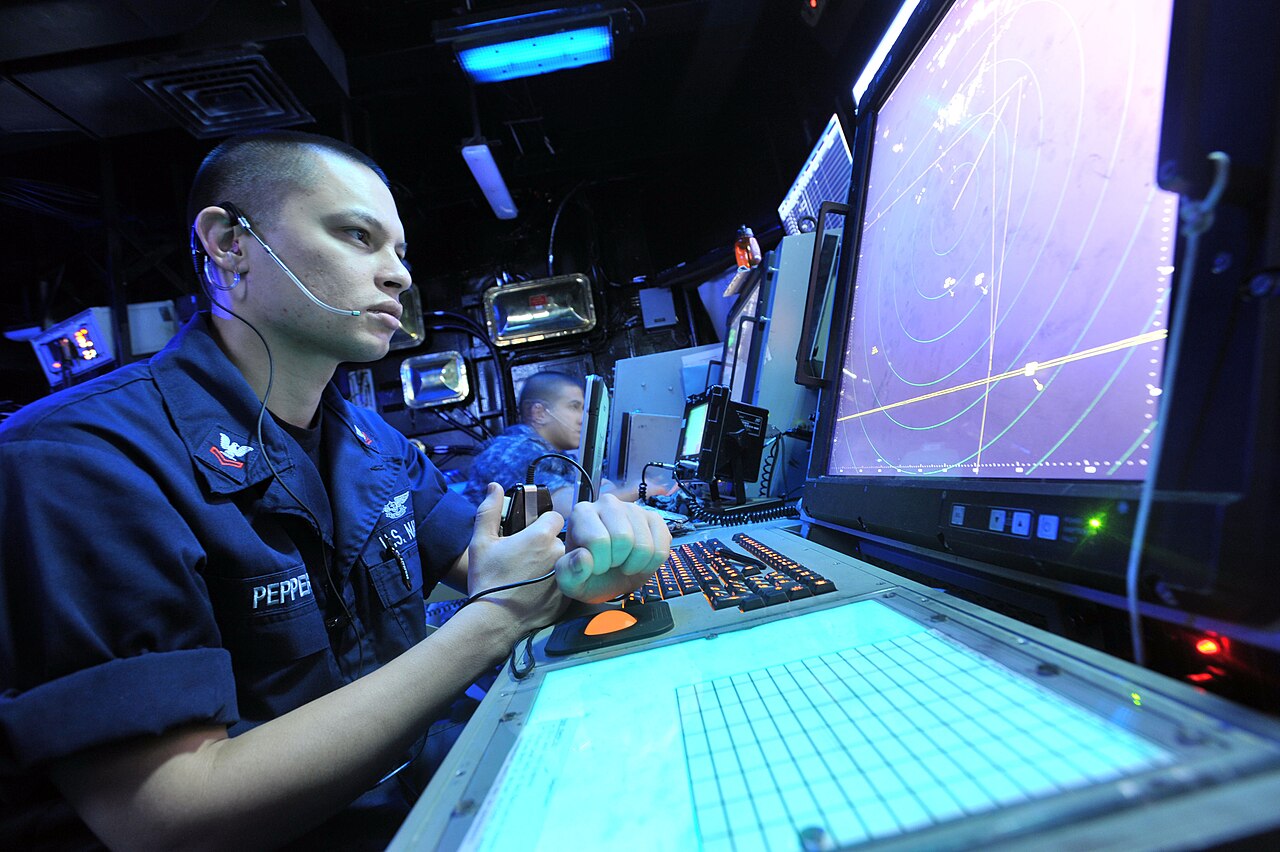
Controllers keep aircraft safely separated, working in shifts in the tower, approach or area control. They need excellent concentration, quick and clear decision-making, good spatial awareness and calm under pressure.
- Selection: usually recruited by the air navigation service provider through aptitude tests and interviews.
- Training: a basic course, then unit training on the job under supervision, leading to a controller licence with ratings for each unit.
- Requirements: an aviation medical certificate and ICAO English language proficiency, at least Level 4.
Aviation meteorologist
Meteorologists observe, analyse and forecast the weather for aviation. The usual route is a university degree in meteorology, physics, mathematics or a related science, followed by specialised aviation meteorology training. In Rwanda, aviation weather services are provided by Meteo Rwanda.
Other operations roles
Operations controllers, crew schedulers, load controllers and aeronautical information officers usually join with a diploma or degree and train on the job, often after a specialist course.
SECTION 04Engineering and technical careers
Aircraft maintenance engineers keep aircraft airworthy. There is steady demand worldwide for qualified engineers, and the skills are transferable between airlines and countries.
| Role | Focus | Typical route |
|---|---|---|
| Licensed engineer, mechanical | Airframe, engines, structures, landing gear | Approved maintenance training course, practical experience, licence exams |
| Licensed engineer, avionics | Electrical, instruments, radios, autopilot, computers | As above, with an avionics specialisation |
| Aircraft technician / mechanic | Inspections, repairs, component changes | Technical diploma, then on-the-job training, often leading to a licence later |
| Maintenance planner / technical records | Scheduling checks, tracking parts and records | Engineering or technical background plus specialist training |
| Aeronautical engineer | Design, analysis, airworthiness, performance | University engineering degree |
Useful school subjects: mathematics, physics, and technical drawing or ICT. Practical hands-on ability and attention to detail matter as much as exam results.
SECTION 05Airport, safety and business careers
SECTION 06Careers at a glance
| Career | Licence? | Aviation medical? | Typical training length | Work pattern |
|---|---|---|---|---|
| Airline pilot | Yes (CPL, then ATPL) | Yes, Class 1 | About 18 months to 3 years to first job | Shifts, nights away |
| Cabin crew | Cabin crew attestation (airline-trained) | Fitness assessment | Several weeks | Shifts, nights away |
| Flight dispatcher | Yes in many countries | No (in most systems) | Several months, plus experience | Shifts in operations centre |
| Air traffic controller | Yes | Yes, Class 3 | About 1–3 years including unit training | Shifts |
| Aircraft engineer | Yes (for certifying staff) | No | About 2–5 years including experience | Shifts, hangar and apron |
| Meteorologist | Qualification standards apply | No | University degree plus specialist training | Shifts |
| Airport / ground roles | Role-specific certificates | No | Weeks to months | Shifts |
Typical figures only: actual requirements depend on the country, employer and training route. Always check the current rules with the RCAA and the training organisation.
SECTION 07Qualifications, skills and requirements
Skills every aviation employer values
Professional aviation licences in Rwanda are issued by the Rwanda Civil Aviation Authority (RCAA), which also approves training organisations and sets medical and language requirements in line with ICAO standards. Before you pay for any course, check that it is approved or recognised for the licence you want. The RCAA's website and offices are the official source. English is an official language in Rwanda, which gives many learners a head start with ICAO English proficiency.
SECTION 08Which career might suit you?
| If you enjoy… | You might like… |
|---|---|
| Being hands-on, fixing things, understanding how machines work | Aircraft engineering, avionics, maintenance |
| Weather, maps, numbers and puzzles | Flight dispatch, meteorology, flight planning |
| Fast decisions, multitasking, clear speaking | Air traffic control, operations control |
| Flying, travel, coordination and leadership | Pilot (aeroplane, helicopter or drone) |
| Helping people, languages, calm in emergencies | Cabin crew, passenger services |
| Rules, checking, improving systems | Safety, quality, regulation |
| Business, data, technology | Airline commercial, network planning, aviation IT |
| Teamwork outdoors, physical activity | Ramp operations, airport operations, firefighting |
Quick check: do you need to be a pilot to work in flight operations?
SECTION 09Key words to remember
- PPL / CPL / ATPL
- Private, commercial and airline transport pilot licences.
- Type rating
- Training and qualification to fly one specific aircraft type.
- Class 1 medical
- The medical certificate required for professional pilots.
- ICAO English Level 4
- The minimum operational English level for pilots and controllers.
- ATO
- Approved training organisation, a school approved by the authority.
- Certifying engineer
- A licensed engineer who can sign an aircraft as fit to fly.
Module summary
- Six career families: flying, flight operations, air navigation, engineering, airports and ground, safety and business.
- Licensed careers (pilot, dispatcher, controller, engineer) need approved training and an authority licence.
- Medical and English requirements apply to some roles. Check them early.
- Soft skills such as communication, teamwork and calm decision-making matter in every role.
- In Rwanda, the RCAA is the official source for licensing and approved training.
CHECK YOUR UNDERSTANDINGModule quiz
Answer the questions, then press Check my answers. Score at least 70% to mark this module as complete.