By the end of this module you will be able to:
- Identify your interests and strengths and link them to aviation careers
- Choose a realistic first direction and research it properly
- Plan your school subjects and training route
- Evaluate a training organisation before you pay
- Build skills and experience employers value
- Write a personal 12-month action plan
SECTION 01Your aviation journey starts here
Almost nobody starts in aviation with a perfect plan. Most people begin with curiosity, then find their place step by step.
Over the last five modules you have seen how aviation works, how aircraft fly, what happens at an airport, who works behind every flight and which careers exist. This final module helps you turn that knowledge into action. Whatever your age or background, the journey follows the same six stages.
SECTION 02Discover your interests and strengths
Start with yourself, not the job title. Ask yourself the questions below and write down your honest answers.
| Question | Why it matters |
|---|---|
| Do I prefer working with people, with machines, or with information? | Points you towards customer-facing, technical or planning roles. |
| Do I enjoy routine and precision, or variety and fast change? | Engineering and records reward precision; operations and ATC reward quick thinking. |
| Am I comfortable with shift work, nights and time away from home? | Most operational roles run 24/7. |
| Which school subjects do I do well in and enjoy? | Maths and physics open technical routes; languages help in passenger and commercial roles. |
| How long can I study before earning, and how will I fund it? | Pilot training is long and costly; many ground careers start sooner and cost less. |
| Can I meet any medical requirements? | Pilots and controllers need an aviation medical. Check before you invest. |
Pick your top three careers from Module 05. For each one, write one sentence on why it attracts you and one on what worries you about it. The worries tell you what to research next.
SECTION 03Explore and choose a direction
Reading is a good start, but nothing beats talking to people who do the job.
Quick check: is it a problem if you change your mind later?
SECTION 04Education, training and qualifications
At school
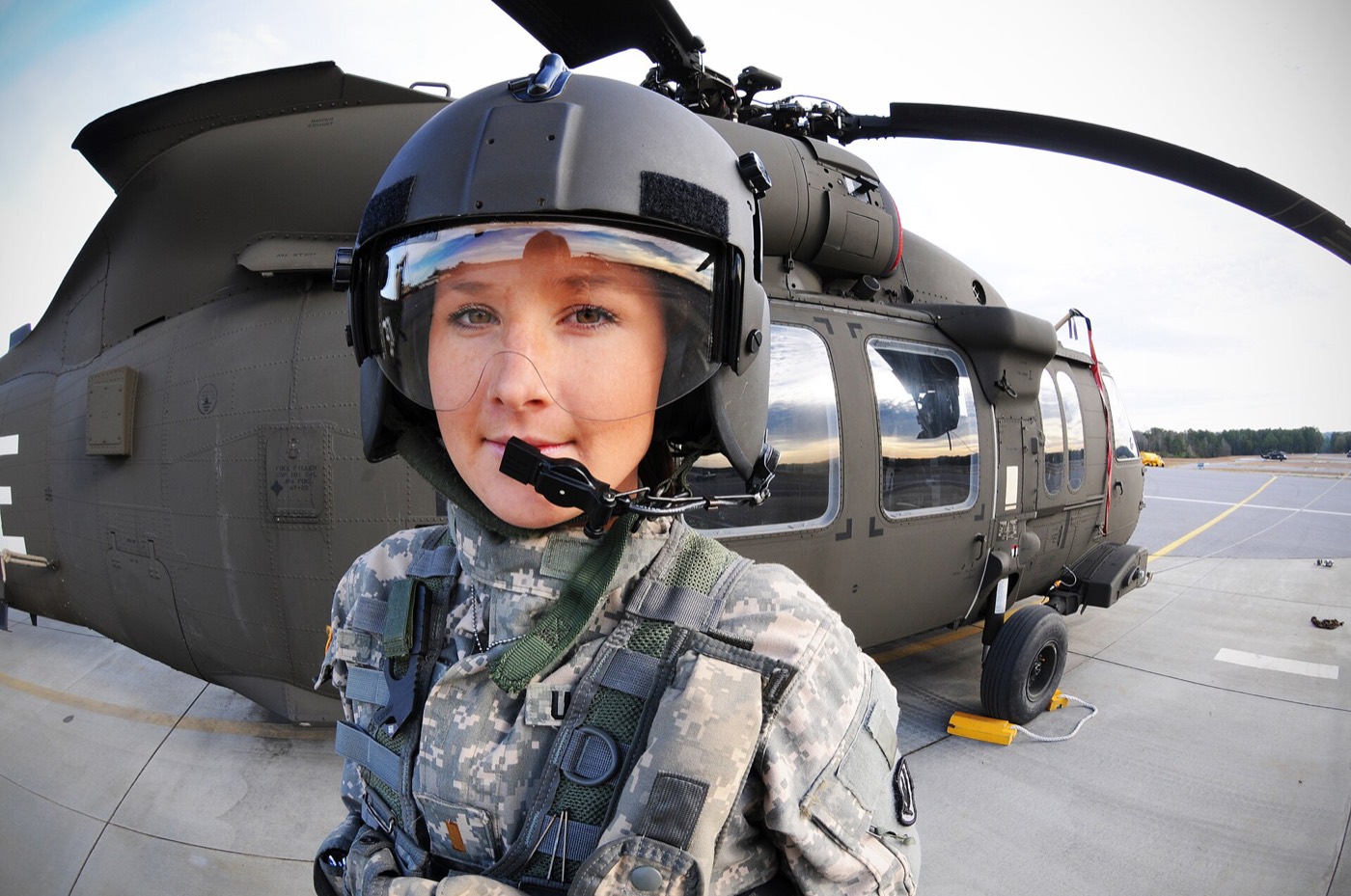
For technical and licensed careers, strong mathematics, physics and English give you the best start. For students in Rwanda's secondary system, science combinations that include maths and physics (such as MPC or PCM) are especially useful for pilot, engineering, dispatch and air traffic routes. Do not worry if you studied something else: many roles in airports, cargo, commercial and passenger services welcome other backgrounds, and bridging courses exist.
Choosing a training organisation
Aviation training can be expensive, so research carefully before you pay. Use this checklist when you compare schools:
| Ask… | Look for… |
|---|---|
| Is it approved, and by whom? | Approval by the RCAA, or by an authority whose licences the RCAA recognises, for the exact licence you want. |
| What is the full cost? | A written price including exams, licence fees, uniforms, accommodation, extra hours and retakes. |
| How long does it really take? | Typical completion times for recent students, not just the advertised minimum. |
| What are the results? | Exam pass rates and what graduates went on to do. |
| What equipment and instructors are there? | Enough serviceable aircraft or simulators, and enough instructors for the number of students. |
| Can I speak to current students? | A good school will let you. |
The Rwanda Civil Aviation Authority (RCAA) is the official source for licensing requirements and for approved training organisations in Rwanda. If you plan to train abroad, ask the RCAA how a foreign licence is converted or validated before you start, so you know exactly what you will need when you come home to work.
Funding your training
Options include family savings, scholarships, bank loans, employer-sponsored or cadet programmes (airlines sometimes run these, so watch their career pages), and starting in a lower-cost aviation job while training part-time on a modular route.
Real employers do not ask you to pay for a job offer, and genuine scholarships do not demand an "application fee" by mobile money to a private number. If an offer sounds too good to be true, check it directly with the airline, the school or the RCAA.
SECTION 05Build skills that employers value
While you study or wait for the right opportunity, these steps make your application stronger:
SECTION 06Finding aviation opportunities
- Know where to lookCareer pages of airlines, airports, ground handling and cargo companies, maintenance organisations, training schools and the aviation authority; professional networks; aviation job boards.
- Look for entry routesInternships, graduate programmes, apprenticeships, cadet schemes and entry-level ground roles all lead into aviation.
- Prepare a clear CVOne or two pages: education, any aviation training, skills (languages, ICT, first aid), experience and activities. Tailor it to each role.
- Write a short cover letterExplain why this role and this organisation, and what you will bring.
- Prepare for interviews and testsExpect questions about teamwork, safety, handling pressure and why aviation. Some roles include aptitude, English or group exercises.
- Follow up and keep goingRejection is common, even for people who later succeed. Ask for feedback and apply again.
Aviation interviewers often ask "Tell me about a time when…" questions. Prepare short stories using STAR: the Situation, the Task, the Action you took and the Result.
SECTION 07Create your aviation action plan
Turn everything in this module into a simple plan. Copy this table into a notebook and fill in your own actions.
| Timeframe | Example actions |
|---|---|
| This week | Choose your top three careers. Start one AeroLearn study subject. Follow two aviation organisations online. |
| This month | Talk to one professional in your chosen field. Check the RCAA requirements for that career. Find out where to take an aviation medical (if needed). |
| Next 3 months | Shortlist approved training organisations and compare them with the checklist. Improve one skill (English, ICT or first aid). Write your CV. |
| Next 12 months | Apply for a course, scholarship, internship or entry-level role. Finish at least two AeroLearn subjects with their quizzes. Review and update your plan. |
Progress beats perfection. A small step every week, such as one lesson, one conversation or one application, adds up to a career.
SECTION 08Key words to remember
- Approved training organisation
- A school approved by the aviation authority to train for a licence.
- Cadet programme
- An airline-sponsored training scheme for future pilots or other staff.
- Licence validation
- Recognition of a foreign licence by the national authority.
- STAR method
- Situation, Task, Action, Result, a way to answer interview questions.
Module summary
- Start with yourself: interests, strengths, constraints.
- Explore by talking to the people who do the job.
- Prepare with maths, physics and English, and check medical requirements early.
- Train with an approved organisation, and confirm the approval with the RCAA.
- Build skills, apply widely, keep learning, and avoid anyone asking you to pay for a job.
🎓 You have reached the end of the beginner modules. Ready for more? Continue with the study subjects, starting with whichever career interests you most.
CHECK YOUR UNDERSTANDINGModule quiz
Answer the questions, then press Check my answers. Score at least 70% to mark this module as complete.