By the end of this module you will be able to:
- Tell the difference between the main categories of aircraft
- Name the main parts of an aeroplane and say what each does
- Explain the four forces of flight in simple terms
- Describe how the flight controls move an aircraft around its three axes
- Compare piston, turboprop and jet engines
- Explain why Kigali's high altitude matters to aircraft performance
SECTION 01What counts as an aircraft?
An aircraft is any machine that can fly by getting support from the air. That covers far more than the airliners you see at Kigali International Airport.
Aircraft are grouped by how they stay up. Lighter-than-air aircraft, such as balloons and airships, float because they are filled with a gas lighter than the surrounding air. Heavier-than-air aircraft must create their own lift by moving air over a wing, either a fixed wing or a rotating one.
Types of aeroplane you will meet
| Type | Typical size | Engines | Used for |
|---|---|---|---|
| Light training aircraft | 2–4 seats | One piston engine and propeller | Flight training, private flying |
| Turboprop | 9–80 seats | Turbine engines driving propellers | Short regional routes, smaller airports (e.g. Kigali–Kamembe) |
| Narrow-body jet | 100–240 seats, one aisle | Two jet engines | Regional and medium-haul routes across Africa |
| Wide-body jet | 250–400+ seats, two aisles | Two (sometimes four) jet engines | Long-haul routes to Europe and the Middle East |
| Freighter | Varies | Jet or turboprop | Cargo only, with a large cargo door and no passenger cabin |
SECTION 02The main parts of an aeroplane
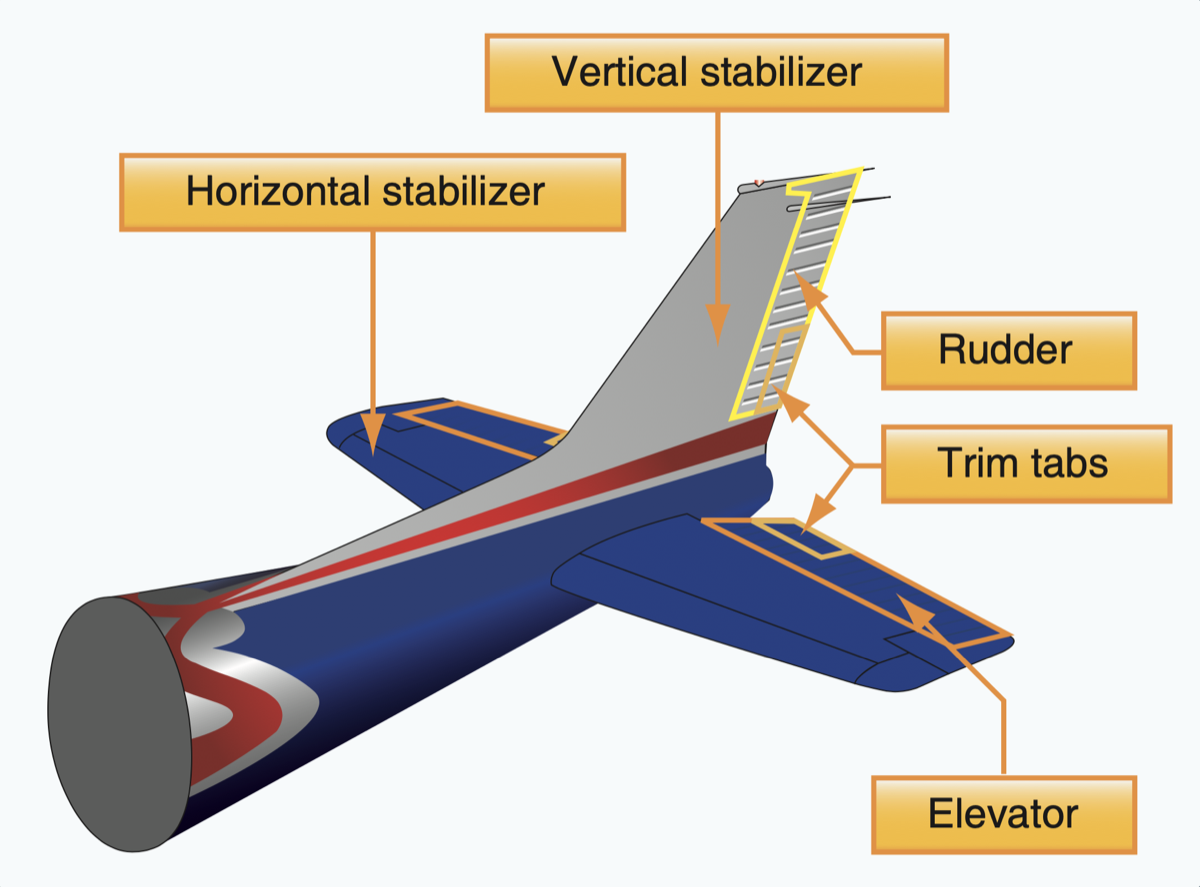
Whether it is a small trainer or a wide-body jet, almost every aeroplane has the same five main parts. Once you know them, you can "read" any aircraft you see.
SECTION 03The four forces of flight
At every moment in flight, four forces act on an aircraft. Understanding the balance between them is the first step in understanding how anything flies.
| Force | Direction | Where it comes from | Everyday comparison |
|---|---|---|---|
| Lift | Upwards | Air flowing over the specially shaped, slightly tilted wing is pushed downwards; the wing is pushed up in return. | Hold your flat hand out of a moving car window and tilt it up slightly: you feel it rise. |
| Weight | Downwards | Gravity acting on the aircraft, fuel, passengers and cargo. | Anything you carry: the heavier the bag, the harder you work. |
| Thrust | Forwards | Engines push air (or hot gas) backwards; the aircraft is pushed forwards. | Letting go of a blown-up balloon: air rushes out one way, the balloon shoots the other. |
| Drag | Backwards | Air resisting the aircraft's movement. | Cycling into a headwind: the faster you go, the harder it pushes back. |
A wing only makes lift when air flows over it, and more speed means more lift. That is why aircraft need a long runway to accelerate before they can take off, and why an aircraft that flies too slowly can stall. A stall has nothing to do with the engine stopping; it means the wing has stopped producing enough lift.
Kigali International Airport sits about 1,490 metres (4,900 ft) above sea level, and it is often warm. Air at high altitude and high temperature is thinner, so wings make less lift and engines produce less thrust than they would at a coastal airport. Pilots and dispatchers call this a "hot and high" airport. On a warm afternoon, a heavy aircraft needs a longer take-off run and may have to carry fewer passengers, cargo or fuel. Working out exactly how much it can carry is a core part of a flight dispatcher's job.
SECTION 04How pilots control an aircraft
An aircraft in the air can move in three ways, each around an imaginary line, or axis, through its centre. Each movement is controlled by a different hinged surface.
| Movement | Axis | Control surface | Pilot's control |
|---|---|---|---|
| Roll | Nose to tail (longitudinal) | Ailerons, on the outer rear edge of each wing | Control column or sidestick moved left/right |
| Pitch | Wingtip to wingtip (lateral) | Elevator, on the horizontal tail | Control column pulled back or pushed forward |
| Yaw | Top to bottom (vertical) | Rudder, on the fin | Rudder pedals |
Flaps, slats and spoilers
Wings also have surfaces that change their shape for different phases of flight. Flaps (and slats on the front edge) extend for take-off and landing so the wing makes more lift at low speed, letting the aircraft use shorter runways. Spoilers are panels on top of the wing that pop up to "spoil" lift and add drag, helping the aircraft slow down and stay firmly on the runway after landing. Next time you fly, watch the wing from your window seat and you will see them move.
SECTION 05Engines: piston, turboprop and jet
All aircraft engines do the same basic job: they push air backwards so the aircraft moves forwards. They do it in different ways, each suited to a different kind of flying.
| Piston | Turboprop | Turbofan (jet) | |
|---|---|---|---|
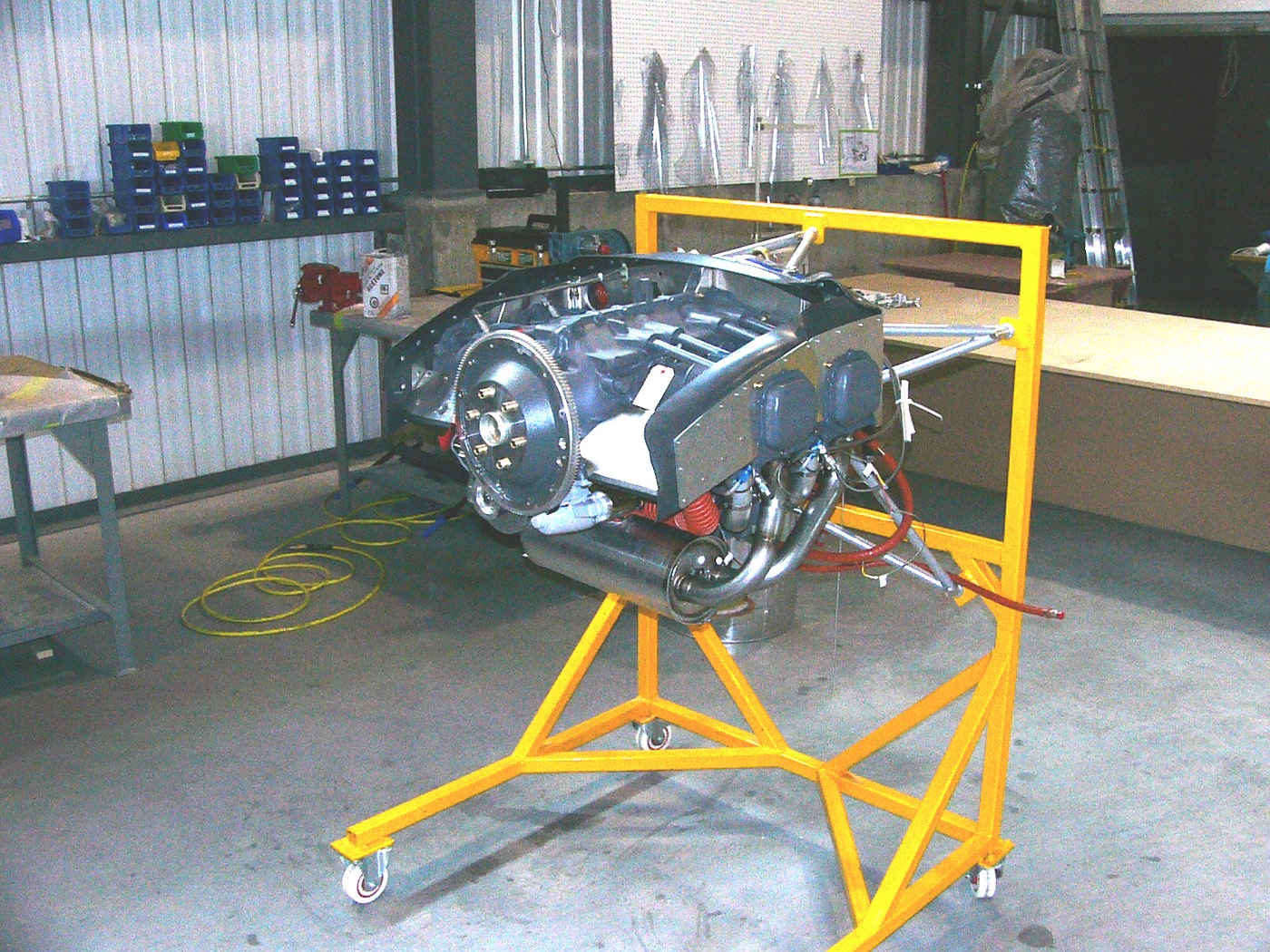
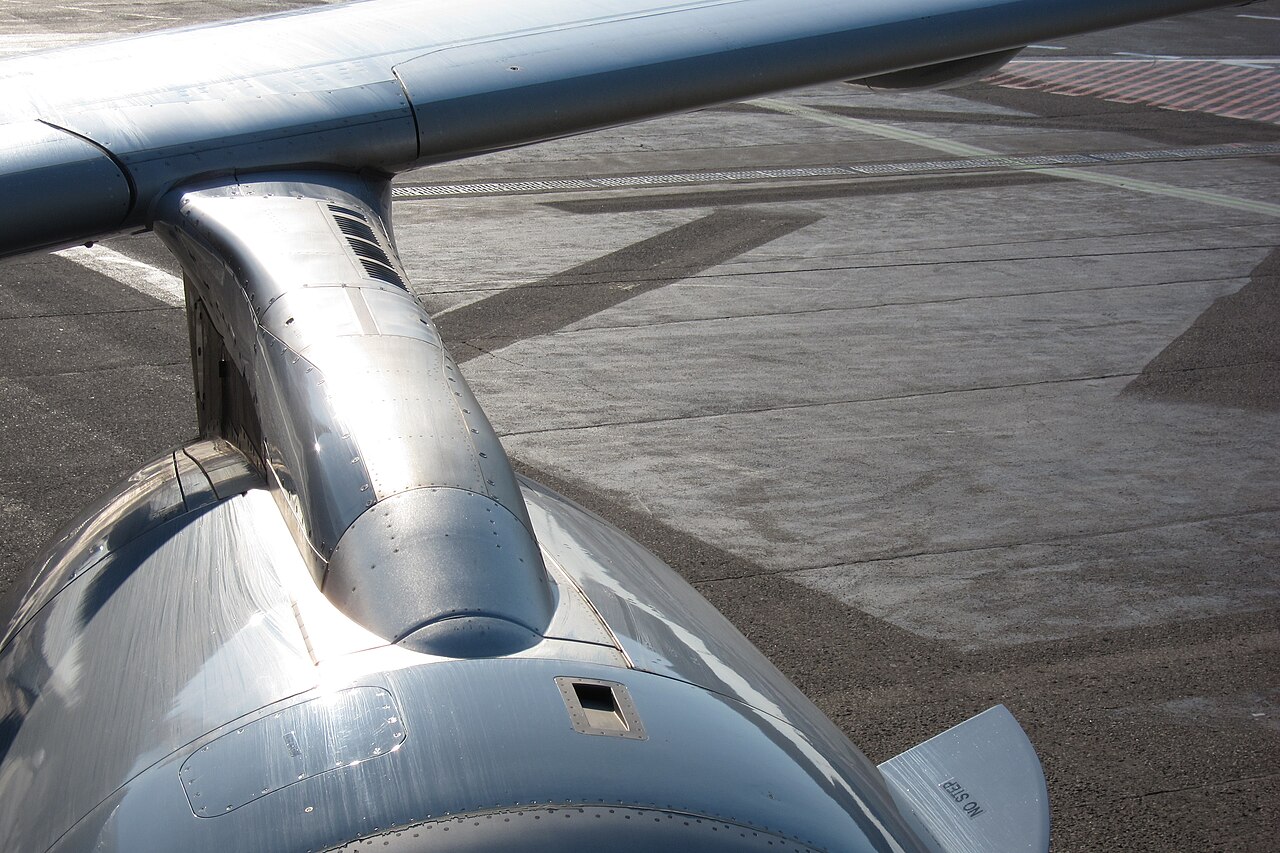
| How it works | Fuel burns in cylinders, moving pistons that turn a propeller | A gas turbine turns a propeller through a gearbox | A gas turbine drives a large fan; fan air plus hot exhaust give thrust |
| Fuel | Aviation gasoline (Avgas) | Jet fuel (kerosene) | Jet fuel (kerosene) |
| Best at | Low speed, low altitude, low cost | Short routes, short or high-altitude runways, fuel efficiency | High speed, high altitude, long distances |
| Typical aircraft | Training aircraft such as the Cessna 172 | Regional aircraft such as the Dash 8 Q400 | Airbus A320/A330, Boeing 737/787 |
Jets cruise at around 10–12 km (33,000–40,000 ft) because the thin air there creates much less drag, so they burn less fuel. They are also above most of the weather. Turboprops usually cruise lower, which suits their shorter routes.
SECTION 06Inside the cockpit
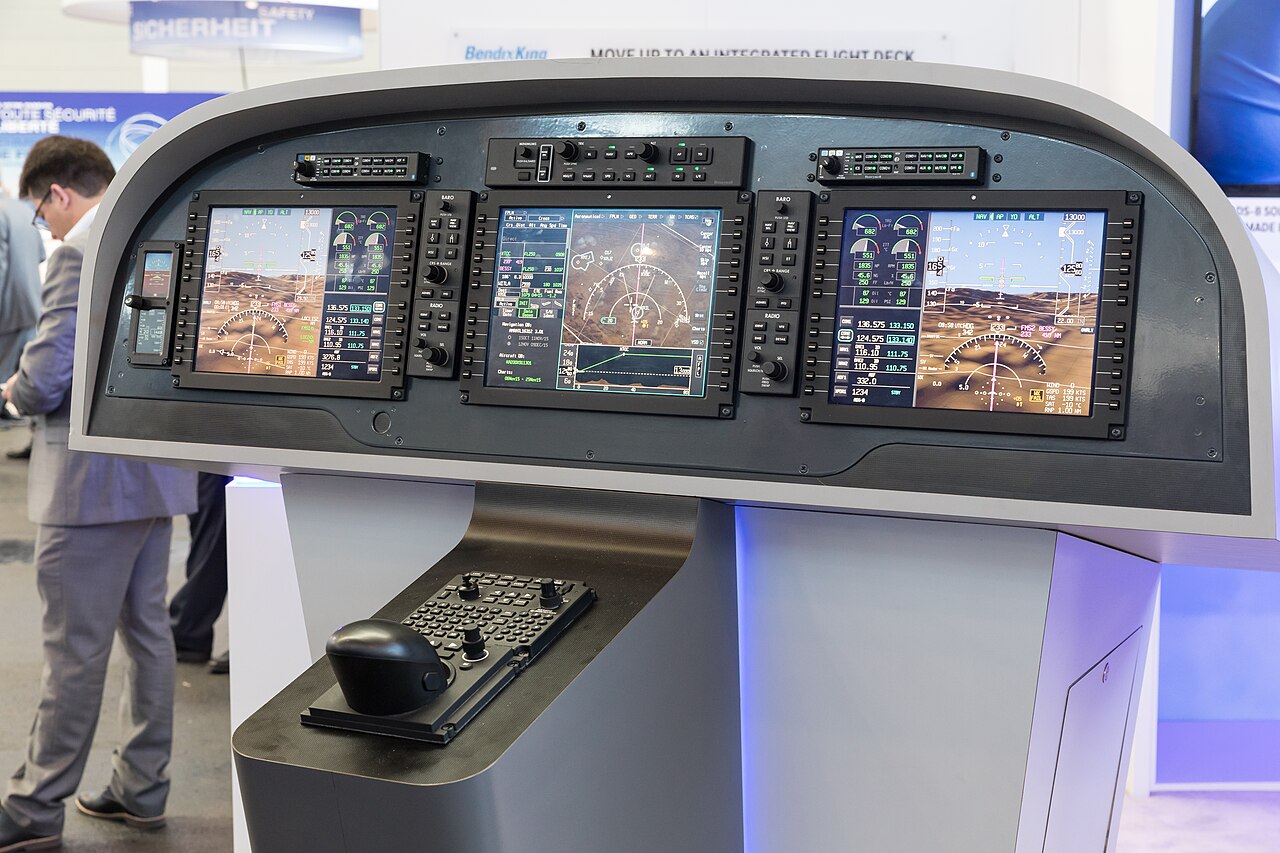
The cockpit (or flight deck) is where the pilots fly, navigate, communicate and manage the aircraft's systems. Older aircraft had dozens of round dials; modern "glass cockpits" show the same information on a few large screens.
Pilots learn the "basic six" instruments, the key information needed to fly safely, before anything else:
Most airliners also have an autopilot and a flight management system that can fly the planned route very precisely. The pilots are still always in command: they program, monitor and take over whenever needed.
SECTION 07Drones: the newest aircraft
Drones, officially called remotely piloted aircraft systems (RPAS), are aircraft with no pilot on board. They are controlled from the ground or fly pre-programmed routes. They follow the same physics as any other aircraft: a fixed-wing drone has wings, a fuselage and a tail; a multirotor drone works like a small helicopter.
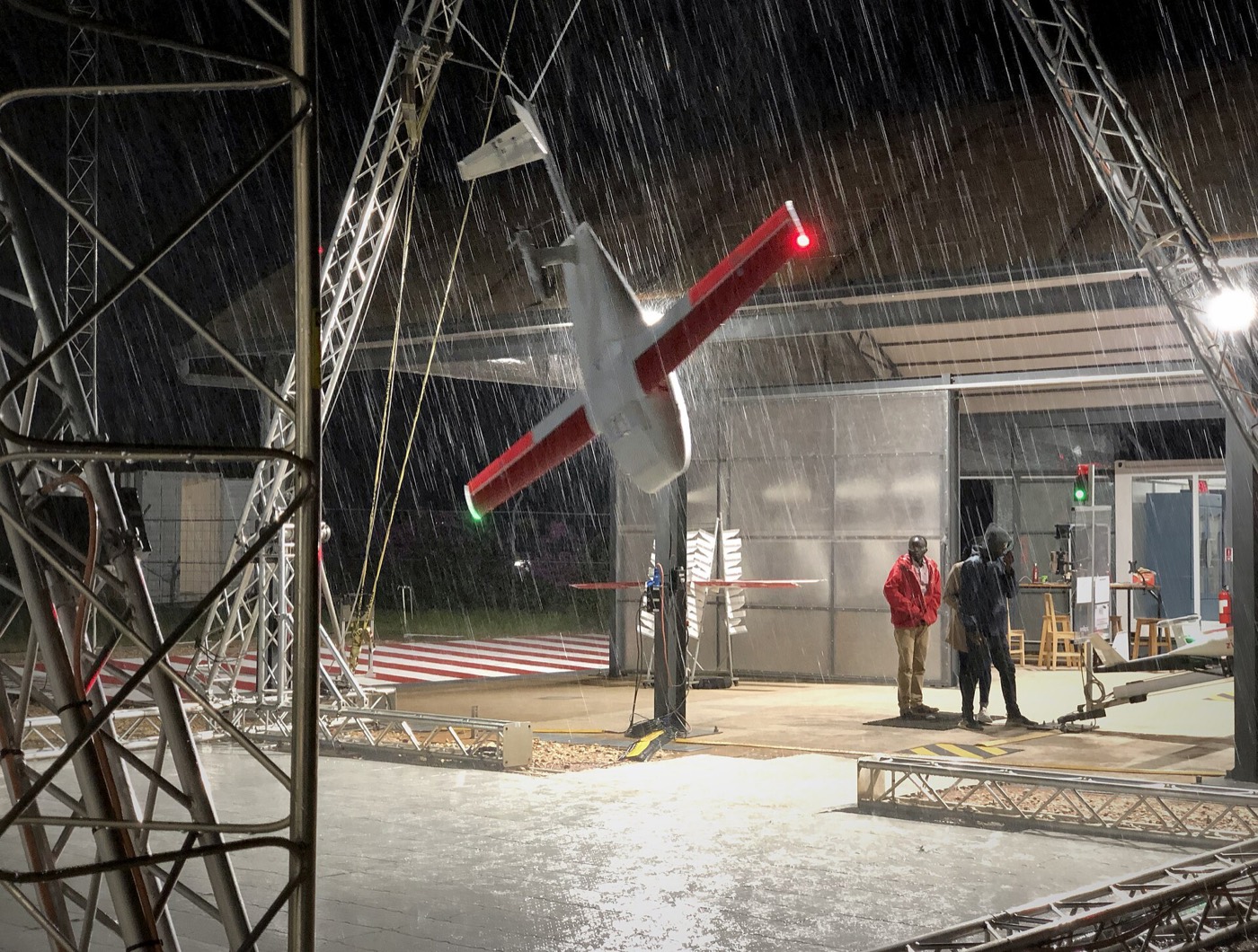
Since 2016 Rwanda has used fixed-wing drones to deliver blood and medical supplies to hospitals across the country. It was one of the first national drone delivery services in the world. Drone flying in Rwanda is regulated by the RCAA: depending on the type of operation, drones may need to be registered and operators may need authorisation before flying, and there are strict rules near airports. Always check the latest RCAA requirements before flying a drone.
SECTION 08Key words to remember
- Fuselage
- The main body of the aircraft.
- Empennage
- The tail section: stabilisers, fin, elevator and rudder.
- Lift
- The upward force made by air flowing over the wings.
- Drag
- The force of the air resisting motion.
- Stall
- When the wing stops producing enough lift, usually from flying too slowly or at too steep an angle.
- Ailerons, elevator, rudder
- The control surfaces for roll, pitch and yaw.
- Turboprop
- A turbine engine that drives a propeller.
- Hot and high
- An airport where heat and altitude reduce aircraft performance, such as Kigali.
Module summary
- Aircraft include aeroplanes, helicopters, gliders, balloons and drones.
- Five main parts: fuselage, wings, tail (empennage), landing gear and powerplant.
- Four forces: lift and weight, thrust and drag. Balance them and the aircraft flies steadily.
- Three axes: ailerons roll, the elevator pitches, the rudder yaws.
- Engines: piston for training, turboprop for short routes, turbofan for speed and distance.
- Kigali is hot and high, so performance planning matters there.
CHECK YOUR UNDERSTANDINGModule quiz
Answer the questions, then press Check my answers. Score at least 70% to mark this module as complete.