By the end of this module you will be able to:
- Describe the roles of the flight crew and cabin crew
- Explain what flight dispatchers and operations control do
- Describe the work of air traffic controllers and other air navigation staff
- Explain the role of licensed aircraft engineers
- Name the airport, safety and regulatory roles behind a flight
- Explain why communication and teamwork matter so much in aviation
SECTION 01More people than you think
Count the people you see on a flight: two pilots and a few cabin crew. Now imagine everyone who touched that flight before it left the ground. The number runs into the hundreds.
Many young Rwandans who are interested in aviation picture only two jobs: pilot and cabin crew. Both are excellent careers, but they are a small part of the workforce. Behind them stand dispatchers, controllers, engineers, meteorologists, ramp agents, firefighters, security officers, safety managers, inspectors, planners, trainers and many more.
This module introduces those teams, grouped by where they work, and shows how a flight moves from one group's hands to the next. In Module 05 we will look at how to enter each career.
SECTION 02The flight crew and cabin crew
Pilots
An airliner is flown by at least two pilots. The captain (pilot-in-command) has final authority and responsibility for the safety of the flight. The first officer (co-pilot) is fully qualified to fly the aircraft and shares the work. On every flight one pilot is the pilot flying, handling the aircraft, and the other is the pilot monitoring, handling the radio and checklists and cross-checking everything. They often swap roles from one flight to the next.
Cabin crew
Cabin crew are often thought of as a service role, but their first job is safety. They are trained in evacuation, firefighting, first aid, managing disruptive passengers and handling emergencies. A senior crew member, the purser or cabin manager, leads the team and is the link with the flight deck.
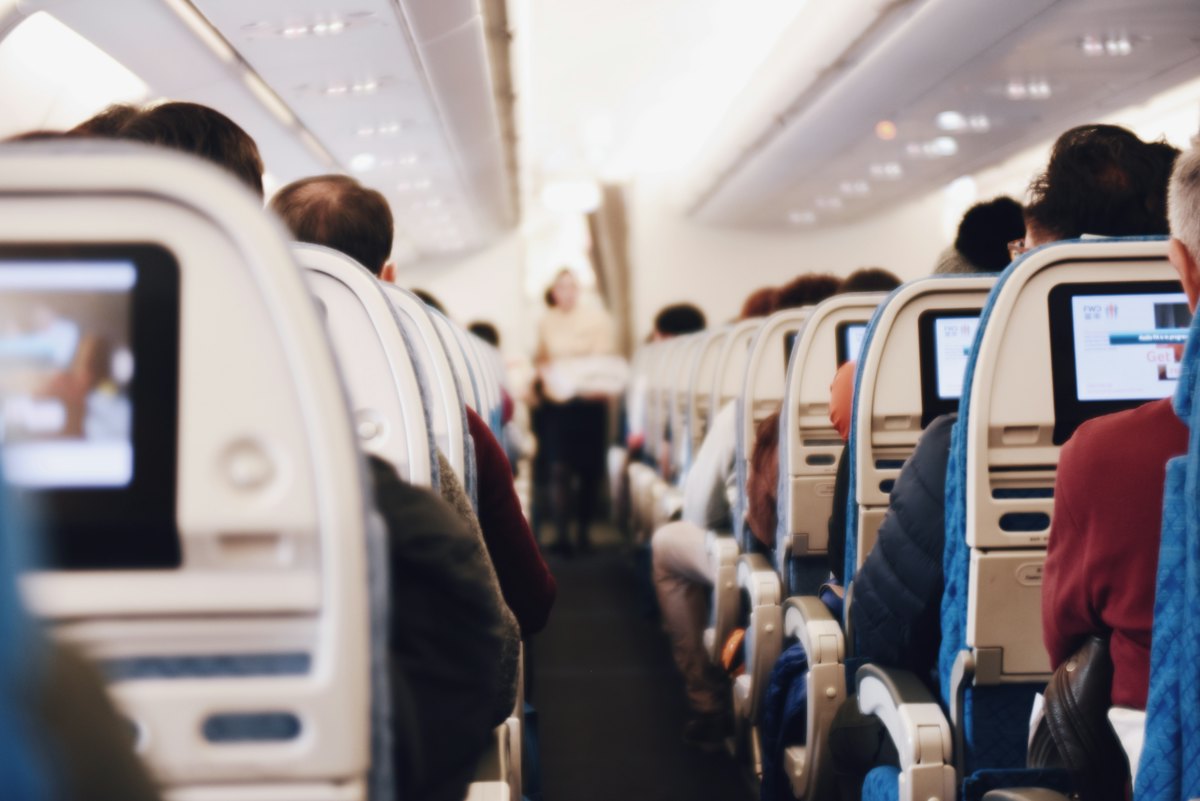
Myth: "Cabin crew mainly serve food and drinks."
Fact: Rules set a minimum number of cabin crew based on the number of passenger seats, for safety reasons. They must be able to evacuate a full aircraft quickly in an emergency.
SECTION 03Flight operations: the people behind the plan
Before the pilots arrive at the aircraft, a team in the airline's operations control centre (OCC) has already been working on the flight for hours. This is the airline's nerve centre, watching every aircraft and every crew across the network.
Flight dispatchers
The flight dispatcher (also called flight operations officer) prepares the plan the pilots will fly. It is a licensed, safety-critical job that combines meteorology, navigation, aircraft performance and regulations.
Once the flight departs, the dispatcher keeps flight following: monitoring its progress, watching for weather changes or airport problems, and sending updated information to the crew if needed.
It is the rainy season and thunderstorms are forecast over the region in the afternoon. For a midday departure from Kigali, the dispatcher checks the forecast for Kigali and the destination, picks an alternate airport in case the destination closes, and adds extra fuel to allow for storm avoidance. Because Kigali is a warm, high-altitude airport, they also check the take-off performance to confirm the aircraft can safely lift the planned load from the runway in use.
SECTION 04Air traffic control and aeronautical services
Air traffic controllers keep aircraft safely separated from each other and from obstacles, and keep traffic flowing efficiently. They work in three main units:
| Unit | Where | What they control |
|---|---|---|
| Aerodrome control (tower) | The control tower, looking out over the airport | Aircraft and vehicles on the runway and taxiways, take-offs and landings, traffic close to the airport |
| Approach control | A radar room, often at the airport | Aircraft climbing out and descending in towards the airport |
| Area control | An area control centre | Aircraft cruising along the airways between airports |
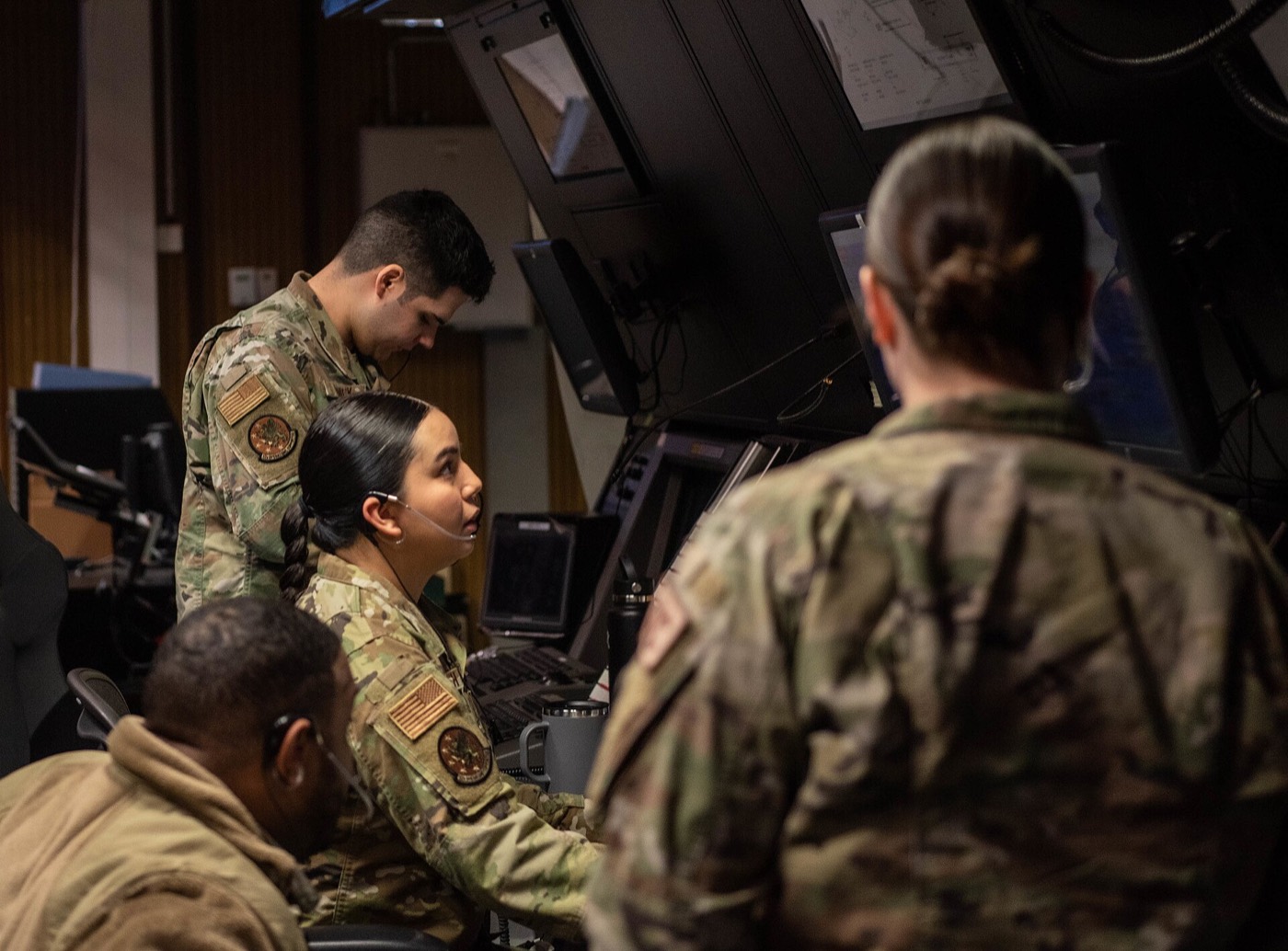
Around the controllers are other air navigation specialists:
Weather is a big part of flying in Rwanda. The two rainy seasons, roughly March to May and September to December, bring afternoon thunderstorms that pilots, dispatchers and controllers all plan around. Aviation weather information comes from Meteo Rwanda, which provides observations and forecasts for Rwanda's airports.
SECTION 05Aircraft engineering and maintenance
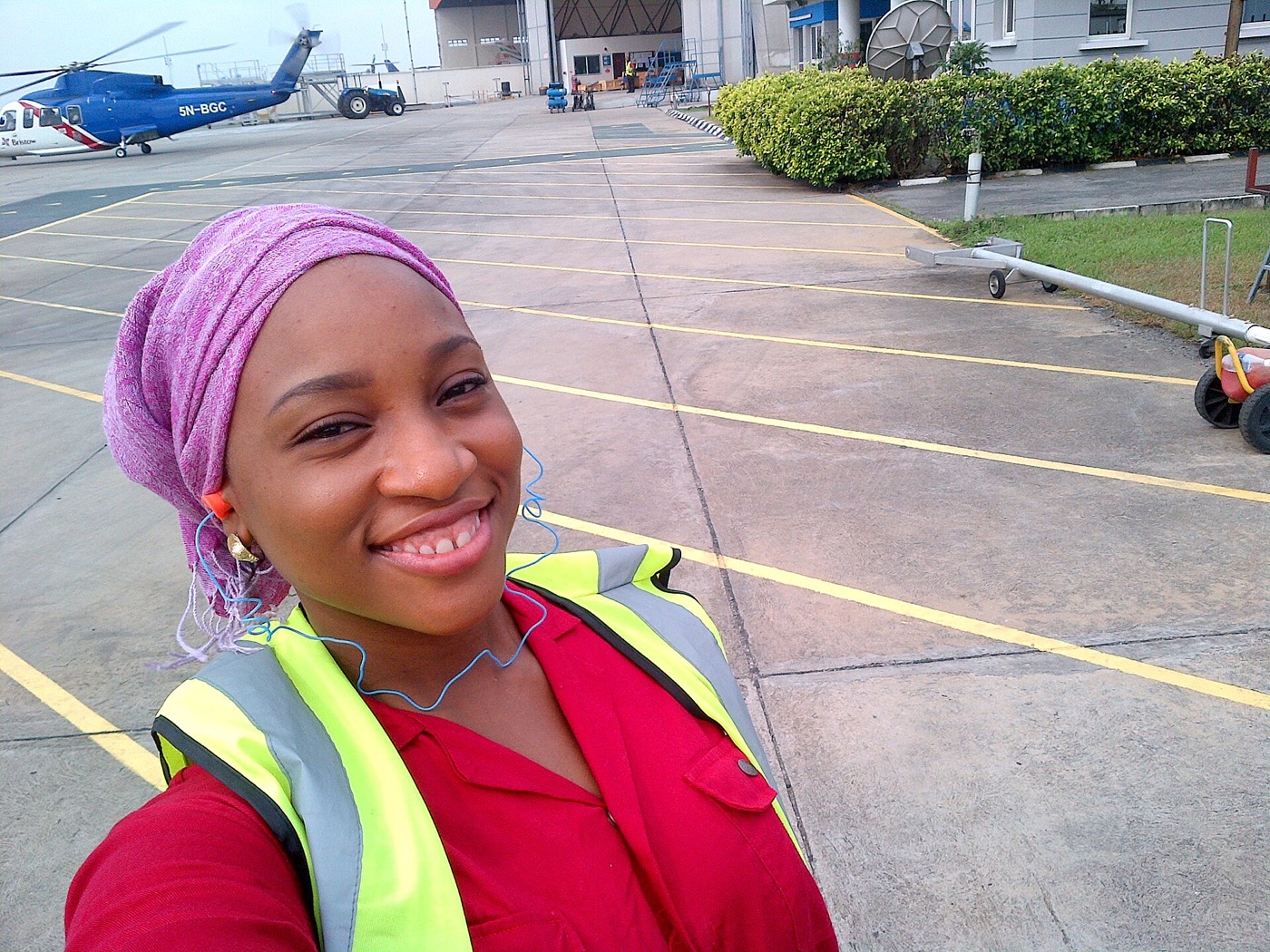
No aircraft flies unless an engineer has confirmed it is airworthy. Maintenance ranges from quick checks before each flight to heavy checks where an aircraft is taken apart in a hangar for weeks.
Quick check: who decides whether a reported fault can wait until later?
SECTION 06Airport and ground teams
SECTION 07The wider aviation team
Some aviation professionals rarely visit the apron, yet the industry could not run without them:
| Role | What they do |
|---|---|
| Safety managers | Run the airline's or airport's safety management system, analyse reports and reduce risks. |
| Regulators and inspectors | At the national authority (in Rwanda, the RCAA), license people, certify organisations and audit them against the rules. |
| Accident investigators | Investigate accidents and serious incidents to find causes and prevent repeats, never to blame. |
| Instructors and examiners | Train and test pilots, cabin crew, engineers, dispatchers and controllers. |
| Commercial teams | Sales, pricing, revenue management, marketing and customer service. |
| IT and data | Reservation systems, flight-planning software, data analysis and cybersecurity. |
| Drone pilots and operators | Fly remotely piloted aircraft for delivery, mapping, inspection and agriculture. |
SECTION 08Teamwork, communication and safety
With so many hand-offs, the biggest risk in aviation is often not a broken part but a misunderstanding. The industry has developed tools to prevent this:
A storm closes the destination airport while a flight is in the air. The dispatcher spots it first and sends the crew the latest weather and fuel figures. The captain decides to divert to the planned alternate. Air traffic control re-routes the aircraft. Operations control arranges handling and passenger care at the alternate airport, and crew scheduling checks the crew's duty limits for the next leg. Five teams, one safe outcome, all because each knew their part and shared information quickly.
SECTION 09Key words to remember
- Pilot-in-command
- The captain, with final authority for the safety of the flight.
- Pilot flying / pilot monitoring
- The two shared roles on the flight deck.
- Flight dispatcher
- Licensed specialist who plans and follows flights from the ground.
- OCC
- Operations control centre, the airline's nerve centre.
- NOTAM
- Notice to airmen: urgent information about airports, airspace or navigation aids.
- Load sheet
- The document showing the aircraft's weight and balance for departure.
- MEL
- Minimum equipment list: which faults may be deferred, and for how long.
- CRM
- Crew resource management, using all people and information effectively.
Module summary
- Pilots and cabin crew are the visible few. Their first priority is safety.
- Dispatchers and the OCC plan and follow every flight from the ground.
- Air traffic control, meteorologists and information services keep the sky organised.
- Engineers keep aircraft airworthy and sign them off as fit to fly.
- Ground, airport, safety and regulatory teams complete the picture.
- Good communication joins them all together.
CHECK YOUR UNDERSTANDINGModule quiz
Answer the questions, then press Check my answers. Score at least 70% to mark this module as complete.